
All books · 2nd Edition
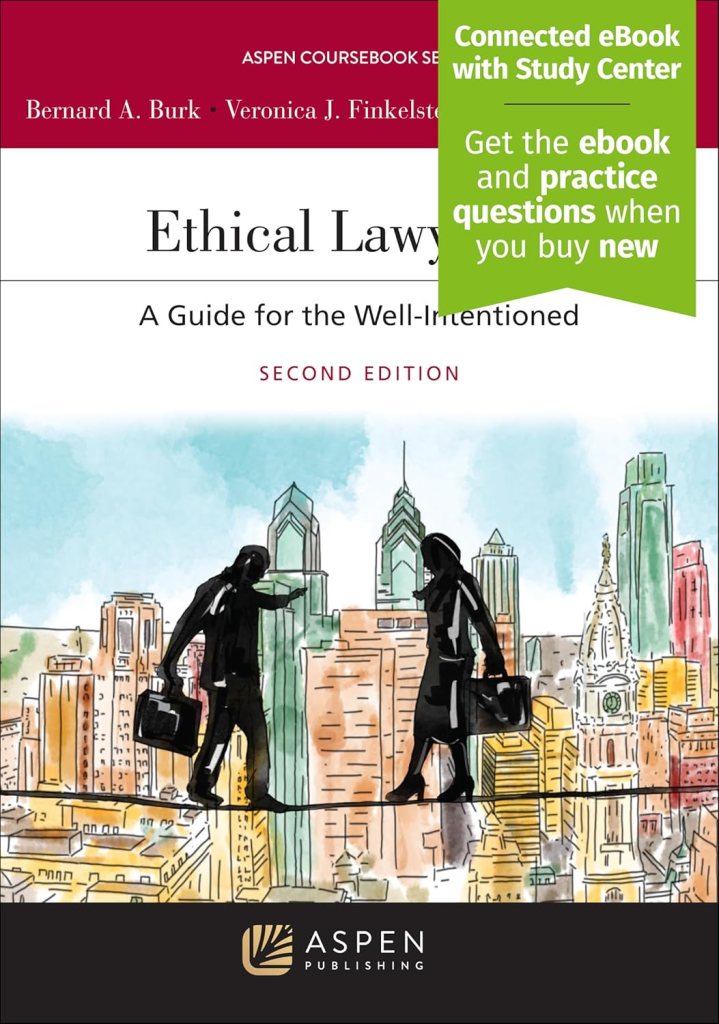
Ethical Lawyering: A Guide for the Well-Intentioned - 2nd Edition - Bernard A. Burk
Product details
Description
Ethical Lawyering: A Guide for the Well-Intentioned 2nd Edition Bernard A. Burk ISBN 9798892074384
Professional Responsibility is a required course that professors often find challenging to teach and students frequently approach with reluctance. The subject matter can feel simultaneously obvious and highly technical, and traditional PR casebooks—laden with dense, dated, or incomplete judicial opinions—often make engagement even harder. This coursebook directly addresses those challenges by reimagining how Professional Responsibility is taught and learned.
Rather than relying on impenetrable cases, the book adopts a flipped-classroom approach, providing clear, thorough explanations of the Model Rules of Professional Conduct paired with thoughtfully designed problems for class discussion. These problems ask students to apply the Rules to realistic practice scenarios, encouraging active learning and deeper understanding. The structure is flexible and works seamlessly in both in-person and online courses.
The book emphasizes statutory interpretation skills, helping students learn how to read and analyze the Model Rules and then apply those skills to common—and difficult—practice situations. Coverage extends beyond professional discipline to include civil liability, court sanctions, and informal but critical concerns such as client relationships, reputational harm, and the business realities of law practice.
New to the Second Edition
-
New and expanded discussion of recent doctrinal developments, including:
-
The impact of artificial intelligence and emerging technologies on legal ethics
-
Authoritative interpretations of the Model Rules found in recent ABA Formal Ethics Opinions and state and local bar opinions
-
The implications of amendments to Model Rule 1.16 addressing mandatory abstention or withdrawal when a client may misuse a lawyer’s work product in unlawful conduct
-
-
Materials designed to align courses with updated ABA Standards 303(b) and (c), including expanded discussion of:
-
Professional identity formation
-
Lawyer well-being and the stresses of legal practice
-
Cross-cultural competence
-
Ethical issues related to equal opportunity in legal education, bar admission, and employment
-
Benefits for Instructors and Students
-
A statutory-construction approach to the Model Rules that builds strong text-interpretation skills
-
Digital edition features that allow students to view Model Rules, Comments, and other statutes side-by-side with the book’s analysis with a single click
-
A comprehensive, clickable Glossary defining recurring terms of art
-
Clear “Signposts” throughout the text highlighting recurring ethical themes, including Taming the Text, Rule Roles, Reason for the Rule, Consequences, Real World, Tips & Tactics, and Your House; Your Rules
-
Realistic, practice-based problems drawn from the authors’ extensive experience, exposing students to common pitfalls while reinforcing doctrinal learning
-
“Big-Picture Takeaways” at the end of each chapter summarizing key concepts
-
MPRE-style multiple-choice questions at the end of each chapter to support exam preparation
-
A comprehensive treatment of the law governing lawyers, illustrating connections among professional discipline, tort law (fiduciary duty and malpractice), contract law (engagement agreements and scope of representation), agency law (authority), and procedural sanctions, as well as informal concerns like client relations and reputation
-
An informal, irreverent, and conversational writing style designed to resonate with Millennial and Gen Z students, drawing them into the subject by placing them directly into the realistic “hot seat” scenarios they are likely to face in practice
Ethical Lawyering: A Guide for the Well-Intentioned 2nd Edition Bernard A. Burk ISBN 9798892074384, 979-8892074384 & 9798892074391
Authors
Bernard A. Burk
Veronica J. Finkelstein
Nancy B. Rapoport
Details
- ISBN
- 9798892074384
- Edition
- 2nd Edition
- Publisher
- Aspen Publishing
- Publication Date
- December 2025
Condition Guide
Every FrugalText book is graded by our receiving team before it ships. Conditions describe cosmetic state only - content is identical across tiers.
-
Acceptable
Readable throughout. Expect highlighting, margin notes, and wear on cover or spine. Best price for the same page numbers.
-
Good
Minor highlighting or notes. All pages intact. Cover shows light shelf wear.
-
Very Good
Little to no writing. Binding tight. Looks barely used.
-
Brand New
Unused and unmarked. Shrinkwrapped when available from the publisher.
-
Brand New + eBook
Brand new print copy plus the publisher's eBook and supplemental digital access, where offered.
Shipping & Returns
-
Fast, standard shipping
Most students receive their books in 3 to 9 business days.
-
Rental returns: free at semester's end, prorated if early
Print a prepaid return label from your account whenever you have finished with the book, and drop it at the carrier listed on the label. Returning it by your semester return date, or after it is already overdue, is free with no deduction. Returning it early, before that date, deducts a 15% restocking fee and the label cost from your refund.
-
Purchase returns: 15% restocking fee
Purchases can be returned within 30 days in the condition you received. We will email a prepaid return label; once we receive your book, we refund the purchase price minus the 15% restocking fee and the return label cost. Original shipping is non-refundable.
-
Shipping costs calculated at checkout
Real-time rates are quoted at checkout based on your address and the books in your cart. Returning your book by your semester date is always free; an early return deducts the restocking fee and label cost from your refund instead.
Rental Terms
Return by December 28, 2026 for Fall 2026 rentals.
- Late Fees
- Books returned after the semester deadline accrue a weekly late fee of about 10% of the book's Brand New price, for each copy that is overdue. The rent you have already paid counts toward the book's replacement value (its Brand New price), so late fees stop once your rent plus late fees reach it. That replacement value is the most a rental can ever cost you. We email a reminder 48 hours before any charge, and any late fees are charged to the payment method you save at checkout.
- Damage Fees
- Books returned damaged beyond normal classroom wear may be assessed a damage fee, capped at the book's replacement value (its Brand New price). Any damage fees are charged to the payment method you save at checkout after we inspect the returned book.
- Return Shipping
- Returning your book is free with no deduction if it reaches us by your semester return date, or after it's already overdue. Print a prepaid label (USPS or UPS, whichever is cheaper for your package) from your account's My Rentals page. Returning it EARLY, before your semester return date, deducts a 15% restocking fee and the label cost from your refund, the same as cancelling a shipped rental for a refund.
- 30-Day Cancellation
- Changed your mind? Cancel an active rental within 30 days of your order from My Account → My Rentals. Cancel before your book ships and it’s free; once it has shipped, we refund the rental price minus a 15% restocking fee and the return label cost, released once we receive your book. Shipping is non-refundable.
You might also need
Students also rent these.
-

Aspen Publishing
(Aspen Coursebook) Series Designing Systems and Processes f…
Rent from $73.61
2 conditions -

West Academic
Prosser, Wade, and Schwartz's Torts, Cases and Materials -…
Rent from $179.99
Buy from $314.99
2 conditions -
FrugalText
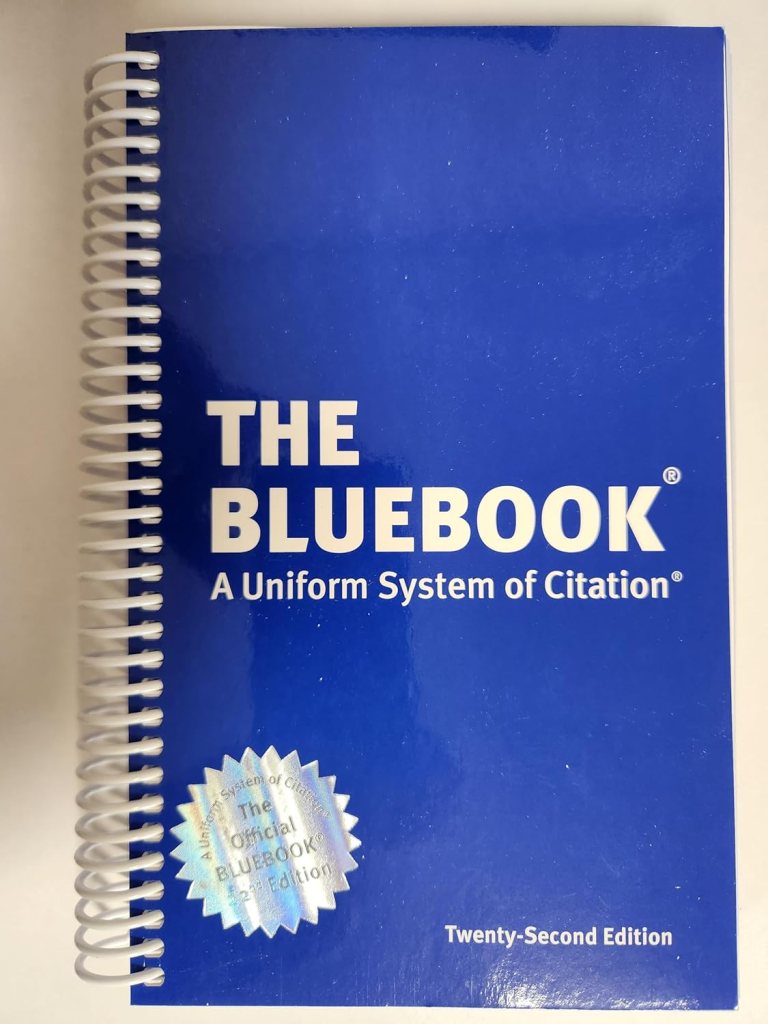
The Bluebook: A Uniform System of Citation, 22nd Edition
Rent from $39.99
Buy from $54.99
1 condition -

FrugalText
A Lawyer Writes: A Practical Guide to Legal Analysis - Four…
Rent from $44.99
Buy from $59.99
2 conditions -

West Academic
Criminal Law: Cases and Materials - 10th Edition - Joshua D…
Rent from $149.99
Buy from $274.99
3 conditions -

Aspen Publishing
Civil Procedure - 12th Edition - Stephen C. Yeazell
Rent from $199.99
Buy from $359.99
1 condition